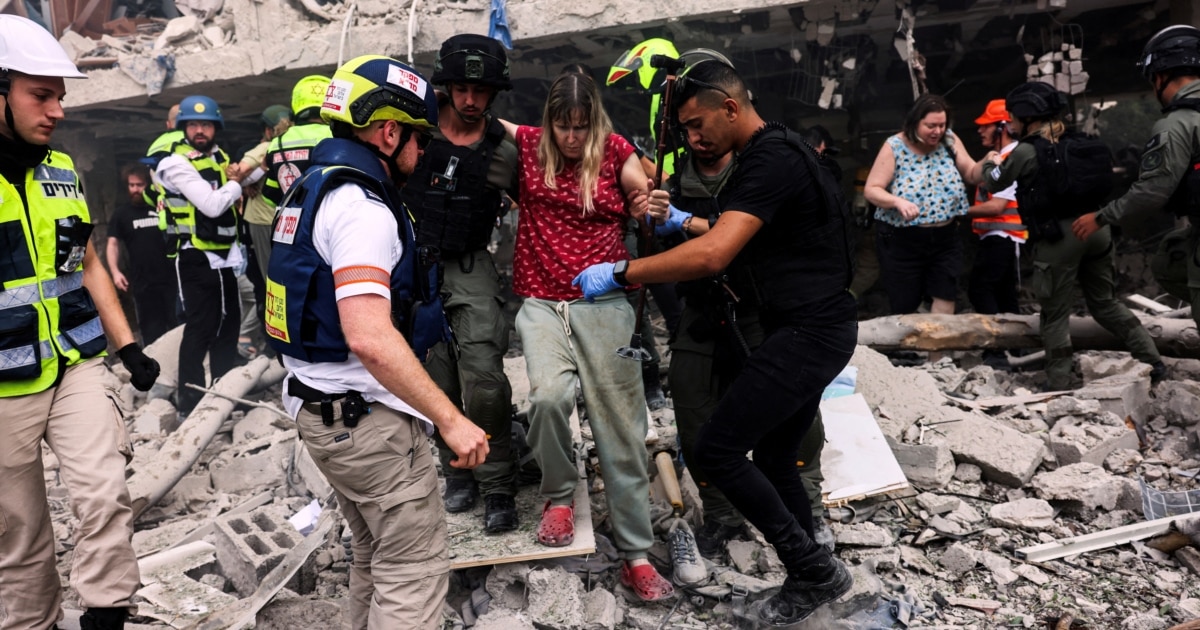
Jihad Declared: Iran Widens Conflict with Israel, US Targeted Amid Regional Escalation
The Middle East finds itself plunged into a perilous new phase of conflict, as Iran, reeling from the reported killing of its Supreme Leader Ali Khamenei, has intensified its confrontational stance against Israel and the United States. This dramatic escalation follows a series of reciprocal strikes and declarations, marking a significant widening of a regional conflict that threatens to reshape geopolitical dynamics and send ripples across global markets. The unfolding events underscore a dangerous breakdown of previous diplomatic efforts, with a leading Iranian cleric declaring a "jihad" against perceived aggressors, signaling a profound shift in rhetoric and action.
A Declaration of Holy War: Iran's Stance Against the West
In a development that has sent shockwaves through the international community, one of Iran's most revered theologians, Ayatollah Makarem Shirazi, has reportedly declared jihad against the United States and Israel. This powerful pronouncement, cited by the Tasnim news agency, casts the burgeoning conflict in stark religious terms. Shirazi explicitly named "the arrogant US government and the sinister Zionist regime" as the primary culprits behind recent "crimes," asserting that retaliation is a "religious duty of all Muslims of the world to eliminate the evil of these criminals."
This declaration is not merely symbolic; it carries immense weight within Shi'ite Islam, potentially galvanizing broad support for Iranian actions and framing the conflict as a sacred imperative. Such a call from an authoritative figure like Shirazi elevates the stakes considerably, transcending traditional political or military objectives and rooting the ongoing hostilities in deeply held religious convictions. For many, this declaration transforms the escalating confrontation into a spiritual battle, making de-escalation significantly more challenging.
The Spark: Khamenei's Demise and the Cascade of Retaliation
The immediate catalyst for this dramatic widening of conflict appears to be the reported death of Iran's Supreme Leader, Ali Khamenei. News of his killing, said to be a result of earlier strikes on Iran, ignited a swift and fierce response from Tehran's regional allies. Lebanon's Shi'ite Muslim Hezbollah militants, a key proxy for Iran in the Middle East, quickly acknowledged launching a volley of missiles and drones toward Israel. This initial
Iran Retaliates: Missiles Strike Israel After Khamenei's Killing was presented by Hezbollah as direct retribution for Khamenei's demise.
Israel, in turn, wasted no time in escalating its own military campaign. Following Hezbollah's attacks, the Israeli military expanded its operations, launching new air strikes targeting Hezbollah positions in Lebanon. Reports confirmed more than a dozen explosions rocking the Lebanese capital, Beirut, specifically targeting Hezbollah-controlled southern suburbs and senior militant figures. The Israeli military stated unequivocally that Hezbollah was "fully responsible for any escalation" and issued warnings to residents in dozens of villages across southern and eastern Lebanon to evacuate. This rapid succession of tit-for-tat attacks has effectively nullified a previously U.S.-brokered ceasefire in 2024, signaling a return to open hostilities.
Iran Unleashes Retaliation: Missiles and Drones Across the Region
The conflict broadened further as Iran itself initiated a new wave of direct military action. On Monday morning, Iranian state media announced that a fresh barrage of missiles was being launched from central parts of Iran toward "enemy locations." Simultaneously, air raid sirens blared across Israel, including in major cities like Tel Aviv and Jerusalem, indicating incoming threats. While specific targets within Israel were not immediately detailed by Iranian state media, the widespread alert underscored the direct nature of this Iranian assault.
The impact of these Iranian strikes extended far beyond Israel's immediate borders. Reports indicated sounds of explosions in the Iranian capital, Tehran, while Reuters witnesses described loud blasts in distant cities like Dubai and the Qatari capital, Doha. Kuwait's air defenses were reportedly engaged in intercepting hostile drones, marking the third consecutive day of Iranian retaliatory strikes on neighboring Gulf states. Furthermore, the conflict reached an unexpected geographic point when Britain's Royal Air Force base Akrotiri in Cyprus was hit by a suspected drone strike overnight. While damage was limited and no casualties were reported, this incident highlighted the expanding reach of the conflict and its potential to draw in other international actors. This broader regional engagement confirmed that the
Middle East Explodes: Iran Launches Strikes Amid Soaring Oil Prices.
International Ramifications and US Involvement
The rapid escalation of conflict has triggered significant international concern and immediate global consequences. Oil prices have soared amidst the uncertainty, impacting economies worldwide and creating anxieties for consumers and industries reliant on stable energy markets. Air travel has also been snarled, with flight cancellations, reroutes, and heightened security concerns disrupting international routes, especially across the Middle East. Such instability threatens global supply chains and economic recovery efforts, adding a layer of complexity to an already tense geopolitical landscape.
The United States, a staunch ally of Israel, remains deeply involved. President Donald Trump has signaled that the joint U.S.-Israeli military assault on Iranian targets could continue for weeks. A senior White House official, while acknowledging that Trump might eventually engage in dialogue with new potential leadership in Iran, affirmed that "Operation Epic Fury continues unabated." This suggests a sustained military pressure campaign, indicating that Washington sees a prolonged period of military engagement ahead.
Amidst these profound shifts, Iran is also navigating a temporary leadership transition. Following Khamenei's reported death, President Masoud Pezeshkian, along with the judiciary head and a member of the powerful Guardian Council, have temporarily assumed the duties of Supreme Leader. The implications of this interim leadership and the eventual appointment of a permanent successor are significant for Iran's domestic stability and its foreign policy direction. The transition comes at a critical juncture, as the nation faces unprecedented external pressure and internal uncertainty.
For individuals and businesses, staying informed through official government advisories and reliable news sources is paramount. The volatility of the region means travel plans could be impacted, and global economic indicators, particularly oil markets, will likely remain sensitive to any further developments. The potential for miscalculation or further escalation remains high, making vigilance and a clear understanding of the evolving situation crucial.
The declaration of jihad, coupled with direct missile attacks and proxy engagements, has propelled the Middle East into a new and dangerous chapter. As Iran directly confronts Israel and targets regional assets, with the US affirming its commitment to ongoing military operations, the trajectory of this conflict remains highly unpredictable. The stakes are immense, not only for the nations directly involved but for global stability, economic markets, and the future of international diplomacy. The coming weeks will undoubtedly determine whether this new phase leads to further devastation or if any path to de-escalation can be forged amidst the fervent declarations and military exchanges.